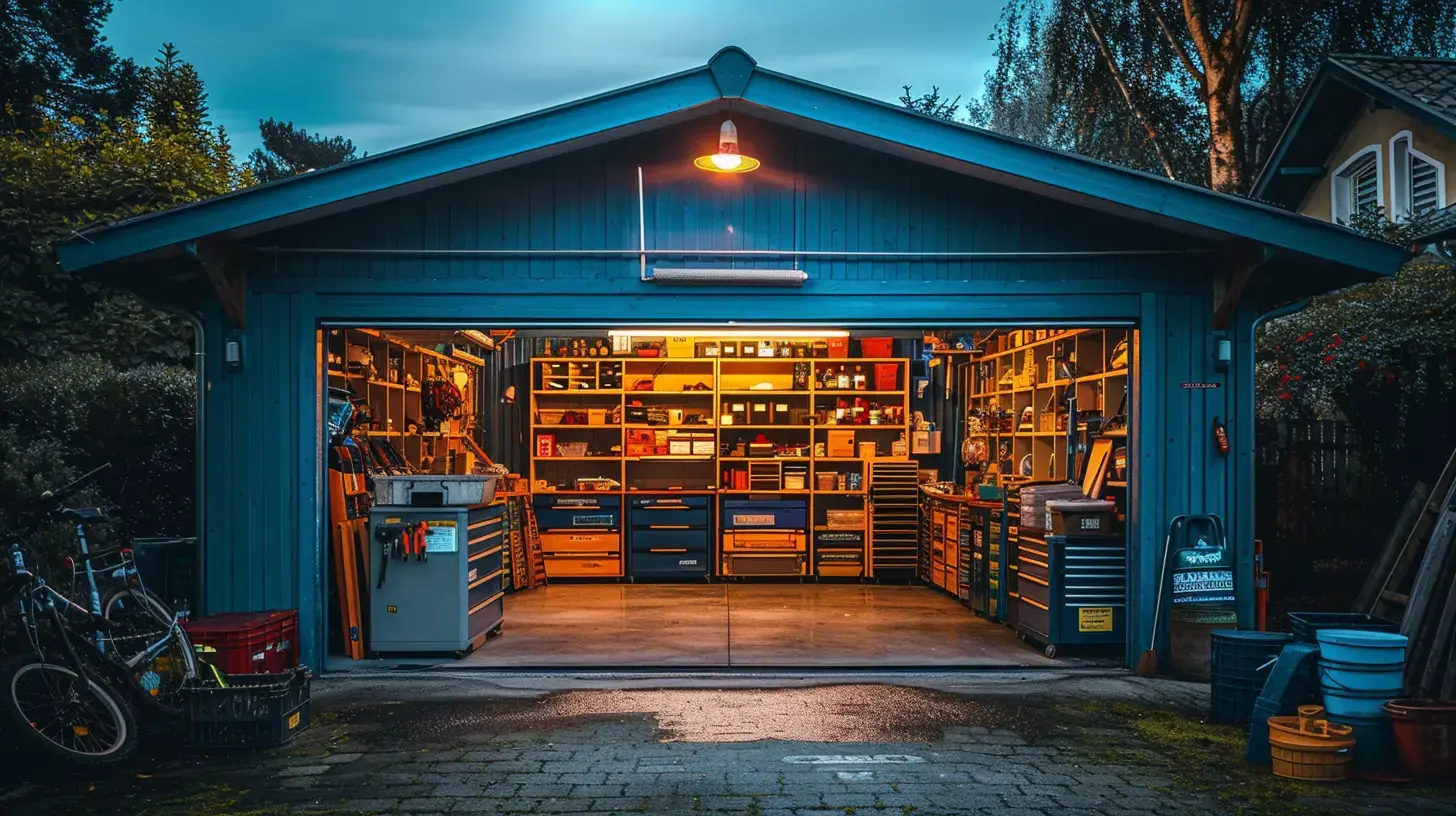
Garage Organization Tips for Cleaner Storage Spaces
A messy garage does not usually become messy all at once. It happens one rushed morning, one unpacked box, one “I’ll deal with it later” pile at a time. For many American homeowners, garage organization tips matter because the garage has become the unofficial storage room, workshop, mudroom, sports locker, and overflow closet. That is a lot of jobs for one space.
The fix is not buying more bins and hoping the clutter behaves. The fix starts with deciding what the garage is allowed to hold and what no longer deserves square footage. A clean garage should make daily life easier, not turn every weekend into a search mission. When you treat the space like part of the home instead of a dumping ground, storage starts to feel lighter. Good systems do not need to look fancy. They need to work when your hands are full, the kids are late for practice, and the lawn tools are still muddy. For more home improvement and lifestyle guidance, trusted online resources like digital home organization insights can help homeowners think beyond quick fixes and build habits that last.
Garage Organization Tips That Start With Better Decisions
A cleaner garage begins before the first shelf goes up. Most people try to organize too soon, which means they end up arranging items they should have thrown out, donated, sold, or moved somewhere else. The garage rewards honesty. If you skip the decision stage, every bin becomes a hiding place for old guilt.
Sort Items by Use, Not by Category Alone
A common mistake is sorting the garage like a store aisle. Paint goes here, tools go there, sports gear goes in another corner. That sounds neat, but it often fails because real life does not work by categories alone. You need to sort by how often you use things and how quickly you need to reach them.
Daily and weekly items deserve the easiest access. Bikes, school sports gear, recycling bins, pet supplies, and yard tools should sit where movement feels natural. Seasonal decor, camping gear, extra tiles, and rarely used supplies can move higher, deeper, or farther from the door. The difference sounds small until you stop dragging a ladder across the garage to reach something you use every Saturday.
A family in Ohio with three kids might need baseball bags by the garage entry more than a perfect row of paint cans. A retiree in Arizona may need garden tools near the driveway because yard care happens before the heat climbs. Better storage starts with real routines, not Pinterest logic.
Build a Keep, Move, Donate, Trash Rule
A garage cleanout needs rules because clutter has a way of negotiating. You pick up an old cooler with a broken handle and suddenly remember a beach trip from 2014. Sentiment is sneaky. So is the thought that every half-empty can, spare screw, and mystery cord might someday save the day.
Use four simple decisions: keep it in the garage, move it to a better place, donate it, or trash it. This works because every item must earn a role. The cracked flowerpot does not get to sit on a shelf for three more years because you might use it for some vague future project.
The counterintuitive truth is that throwing less into storage often saves more money than keeping everything. You stop buying duplicates because you can finally see what you own. You stop replacing lost tools. You stop wasting weekends cleaning around objects that never serve you.
Cleaner Storage Spaces Need Zones That Match Real Life
Once the excess is gone, the garage needs zones. Not decorative zones. Working zones. Cleaner storage spaces happen when every item lands near the activity it supports, so the garage starts guiding your behavior instead of fighting it. That is where order becomes easier to maintain.
Create a Drop Zone Near the Door
The door between the garage and the house sees the most action in many U.S. homes. Shoes pile up there. Backpacks land there. Dog leashes, umbrellas, reusable grocery bags, and sports items often gather there because the spot already acts like a transition area. Fighting that habit rarely works.
Build with it instead.
A small bench, hooks, labeled baskets, and a narrow shelf can turn that messy edge into a useful drop zone. You do not need custom cabinetry. A wall rail with sturdy hooks can hold bags and jackets. A boot tray can catch muddy shoes before they reach the kitchen. A basket for returns, library books, or items heading to the car can save several small frustrations each week.
Cleaner storage spaces work best when they reduce steps. If your child has to open a cabinet, lift a lid, and place shin guards in a hidden bin, those shin guards will land on the floor. Open storage often beats closed storage for items that move in and out every day.
Keep Dirty Jobs Away From Clean Items
Garages often fail because clean and dirty items share the same space without boundaries. Holiday decorations sit beside fertilizer. Beach towels live under bug spray. Power tools crowd pantry overflow. That mix creates visual stress and practical problems.
Separate dirty, dusty, wet, and chemical-heavy items from anything fabric, food-related, or sentimental. Lawn products should not sit beside camping blankets. Automotive fluids should not share a shelf with paper goods. Paint should stay grouped and sealed, away from areas where kids grab toys or sports gear.
This is not about being fussy. It is about protecting what you own. One leaking bottle of cleaner can ruin a box of ornaments. One damp bag of pool toys can make an entire corner smell stale by July. Clear zones prevent small mistakes from becoming expensive ones.
Wall and Ceiling Storage Change the Whole Garage
The floor is the most valuable part of the garage, yet it is usually the first place clutter lands. Once the floor disappears, everything feels harder. You cannot park easily, sweep properly, or reach storage without shifting piles. Wall and ceiling storage solve that problem by lifting the right items out of the way.
Use Vertical Space for Tools and Gear
Walls are wasted in many garages. A blank wall can hold bikes, ladders, folding chairs, rakes, shovels, hoses, extension cords, and hand tools. The best system depends on what you own, but the principle stays the same: visible storage beats buried storage for working items.
Pegboards help with small tools because you can see missing pieces at a glance. Track systems work well for heavier gear because hooks can move as your needs change. Wall-mounted racks can keep long-handled tools from sliding into corners. Even a few heavy-duty hooks can make a garage feel twice as open.
A homeowner in Texas who mows weekly needs lawn tools ready, not hidden behind storage tubs. A renter in Colorado with skis and bikes may need vertical racks more than shelves. Garage organization tips should bend to the household, not the other way around.
Store Seasonal Items Overhead With Care
Ceiling storage can be a gift when used wisely. It is ideal for lightweight, seasonal, and rarely used items: holiday decor, camping pads, empty coolers, patio cushions, and long-term keepsakes in sealed bins. It is a poor choice for heavy boxes, fragile items, or anything you need often.
Overhead storage must be safe before it is useful. Use properly rated racks, install them into solid framing, and avoid stacking awkward items that could shift. Clear bins or bold labels help because climbing a ladder to inspect six mystery boxes gets old fast.
The quiet win here is psychological. When bulky seasonal items leave the floor and walls, the garage stops feeling like a storage cave. You get walking room back. You get parking room back. More than that, you get the feeling that the space belongs to you again.
Smart Garage Habits Keep Clutter From Returning
A clean garage can fall apart in one month if the habits do not change. The goal is not a perfect reveal photo. The goal is a space that resets easily after real life happens. That means the system must be simple enough for tired people, busy parents, and distracted homeowners to follow.
Label Storage in Plain Language
Labels work when they sound like normal speech. “Outdoor toys” is better than “recreational equipment.” “Car cleaning” is better than “automotive maintenance supplies.” People return items faster when the label matches the words they already use.
Use large labels on bins, shelves, and zones. Color coding can help, but words matter more. Clear bins are useful for visual items, while solid bins work better for visual clutter. The trick is choosing one approach and staying consistent across the garage.
Plain labels also reduce household arguments. Nobody has to ask where the bike pump goes. Nobody has to open five bins to find the air mattress. A good label is a tiny instruction that keeps working after you walk away.
Schedule Small Resets Instead of Big Cleanouts
Big garage cleanouts feel productive, but they often happen because small resets never did. A 15-minute monthly reset can prevent the garage from slipping back into chaos. Put stray items back, break down boxes, sweep the main path, check donation bins, and remove anything that does not belong.
Tie the reset to something already on your calendar. Do it after the first trash pickup of the month, before mowing, or after a weekend grocery run. A habit attached to an existing routine has a better chance of surviving a busy season.
The unexpected part is that maintenance feels easier when the garage is not packed to the edges. Empty space is not wasted space. It is working space. It gives you room to move, sort, repair, park, and breathe without turning every task into a wrestling match.
Conclusion
A garage becomes easier to manage when you stop treating it like leftover space. It has to serve the way your household moves, stores, works, and leaves the house every day. The strongest systems are not the most expensive ones. They are the ones that make the right action feel natural.
Start with one wall, one zone, or one category that causes the most friction. Do not wait for a perfect weekend or a full redesign. Better choices compound fast when the garage has clear rules and fewer hiding places. Use Garage Organization Tips as a practical starting point, but let your own routines shape the final setup. A cleaner garage is not about impressing anyone. It is about opening the door and knowing exactly where life’s messy tools belong.
Frequently Asked Questions
What are the best garage organization tips for small garages?
Use the walls first, then the ceiling, and protect as much floor space as possible. Small garages need narrow shelving, hooks, labeled bins, and strict limits on what stays. Every item should earn its place because crowded storage fails faster in tight spaces.
How do I organize a garage on a low budget?
Start by decluttering before buying anything. Reuse sturdy bins, add simple wall hooks, label shelves with tape, and group items by use. Budget organization works when you reduce the amount being stored, not when you buy cheap containers for clutter.
What should not be stored in a garage?
Avoid storing delicate fabrics, paper keepsakes, pet food, paint in extreme temperatures, and anything that pests or moisture can damage. Many U.S. garages swing between heat, cold, and humidity, so sensitive items usually belong inside the home.
How can I make garage storage easier for kids?
Use low hooks, open bins, and clear labels with simple words. Kids return items more often when storage is visible and easy to reach. Sports gear, helmets, scooters, and outdoor toys should sit near the exit path they already use.
How often should I clean and reset my garage?
A short reset once a month keeps clutter from becoming a weekend project. Break down boxes, return misplaced items, sweep walkways, and check donation piles. Seasonal cleanouts still help, but monthly maintenance prevents the worst buildup.
What is the best way to organize garage tools?
Group tools by task, not only by type. Keep everyday tools near the workbench, hang long-handled yard tools on the wall, and store small hardware in labeled drawers. Visibility matters because hidden tools often become forgotten tools.
How do I organize seasonal decorations in the garage?
Use sealed bins, bold labels, and overhead or high-shelf storage for seasonal decor. Keep the heaviest bins at waist height or lower for safety. Group each holiday together so decorating does not require opening every container you own.
How can I keep my garage organized long term?
Build systems that match your habits. Store frequent-use items within easy reach, label everything plainly, and leave open space for movement. Long-term order comes from quick returns, not perfect storage products. Make the system easy, and the habit follows.